Why am I dizzy?
Dizziness is a symptom, not a diagnosis. People use the word dizzy to describe different feelings, such as spinning, lightheadedness, unsteadiness, or feeling off balance. In addition, dizziness can have many different causes.
Some causes come from the inner ear, some come from the brain or nervous system, and others come from things like blood pressure, dehydration, migraine, medicines, or anxiety.
The first step is figuring out what kind of dizziness you feel, how long it lasts, what triggers it, and what other symptoms happen with it.
Peripheral Causes of Dizziness
Peripheral causes come from the inner ear or the vestibular nerve, which is part of your balance system. The inner ear works like the body’s balance sensor and rings an alarm when something is wrong. Peripheral causes of dizziness are actually some of the most common causes of vertigo and balance problems.
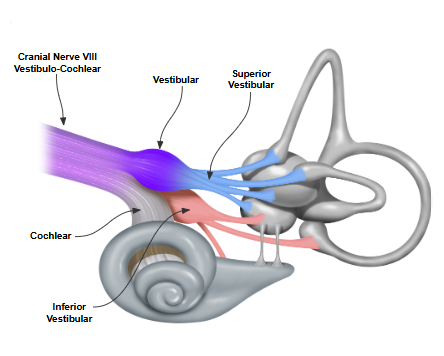
Inner Ear connected to Vestibular Nerve
Inner ear problems may cause:
- spinning
- motion sensitivity
- nausea
- trouble with balance
- sometimes hearing symptoms, like ringing, fullness, or hearing loss
Common peripheral causes include conditions such as:
- BPPV (Benign Paroxysmal Positional Vertigo)
This often causes short bursts of spinning with certain movements, such as rolling in bed, looking up, or bending over. - Vestibular neuritis
This can cause sudden, strong vertigo that may last for hours or days. - Labyrinthitis
This is similar to vestibular neuritis, but it may also affect hearing. - Ménière’s disease
This may cause vertigo along with hearing changes, ringing in the ear, or a feeling of fullness in the ear.
Central Causes of Dizziness
Central causes come from the brain or central nervous system. These causes are less common than inner ear causes, but some can be more serious and may need urgent medical care.
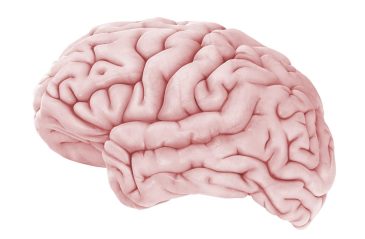
Examples of central causes may include:
- stroke or mini-stroke
- multiple sclerosis
- concussion or brain injury
- other neurologic conditions
Dizziness from a central cause may happen with other warning signs, such as:
- trouble speaking
- weakness or numbness
- double vision
- severe trouble walking
- confusion
- a sudden severe headache
Other Causes of Dizziness
Not all dizziness comes from the balance system. Many other health problems can also make you feel dizzy, lightheaded, faint, or unsteady.
These problems may include:
- low blood pressure
- a drop in blood pressure when standing up
- heart rhythm problems
- dehydration
- low blood sugar
- medicine side effects
- migraine
- anxiety or panic
- illness, infection, or fever

Why the details matter
When a clinician evaluates dizziness, they look for patterns. Because of this, it helps if you describe:
- what the feeling is like
- when it started
- how long it lasts
- what triggers it
- whether it happens with head movement, standing up, walking, or busy environments
- whether it comes with hearing changes, headache, nausea, chest symptoms, or trouble walking
When should I get urgent help?
Get urgent medical help right away if dizziness happens with:
- a sudden severe headache
- chest pain
- trouble breathing
- fainting
- weakness or numbness
- trouble speaking
- blurred or double vision
- a fast or irregular heartbeat
- severe trouble walking
- new dizziness after a head injury
- sudden hearing loss
You should also get checked right away if dizziness is new, severe, or very different from usual.
Key points to remember
- Dizziness can be different for different people. It can mean spinning, lightheadedness, imbalance, or feeling off.
- Causes can be grouped into peripheral, central, a combination of both peripheral and central and other medical causes.
- Many causes of dizziness can be evaluated and treated.
- The right treatment depends on finding the cause.
- New, severe, or unusual dizziness should not be ignored.